
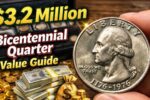
1976 Bicentennial Quarters Value Guide: The 1976 Bicentennial Quarter is one of the most celebrated coins in American history. Released to honor the 200th anniversary of the signing of the Declaration of Independence, it carries a design unlike any other quarter before or after. With its colonial drummer reverse and dual date “1776 1976,” this coin has become a symbol of patriotism, nostalgia, and numismatic interest. Although millions were minted, collector demand, rarity in certain grades, and historical significance continue to make these quarters a fascinating subject for study and investment.
Historical Background
The United States Mint decided to commemorate the bicentennial with special designs for the quarter, half dollar, and dollar coins. The quarter’s reverse was designed by Jack L. Ahr, chosen through a national competition. The design features a colonial drummer with a torch of victory surrounded by thirteen stars, representing the original colonies. The obverse retained George Washington’s portrait but replaced the usual date with “1776 1976.”

Two types of Bicentennial Quarters were produced: copper-nickel clad coins for circulation and 40 percent silver coins sold in collector sets. This dual production created different levels of rarity and value, ensuring that the coin appealed to both everyday Americans and serious collectors.
Collector Demand
Collector demand for Bicentennial Quarters has remained strong for decades. For many, these coins are a gateway into numismatics, often discovered in pocket change or inherited from family collections. Their unique design and historical connection make them appealing to beginners, while advanced collectors pursue rare varieties, high-grade examples, and silver proofs.
The nostalgia factor plays a significant role. People who lived through the bicentennial celebrations often keep these coins as cherished mementos. Younger collectors, meanwhile, view them as affordable yet historically meaningful additions to their collections.
Market Prices
The value of a 1976 Bicentennial Quarter varies widely depending on condition, mint mark, and composition. Circulated clad quarters generally remain at face value, but uncirculated and proof examples can command premiums. Silver issues are more valuable due to their metal content and limited distribution.
- Circulated clad quarters: typically worth 25 cents
- Uncirculated clad quarters: $1 to $5 depending on grade
- Silver quarters: $3 to $10 based on silver value and condition
- Proof silver quarters: $10 to $25, with higher prices for perfect grades
- Certified high-grade examples: MS67 or PR70 coins can sell for hundreds of dollars
Market prices fluctuate with collector demand and auction results. Coins with exceptional eye appeal or rare varieties often exceed standard price ranges.
Rarity and Varieties
Although Bicentennial Quarters were produced in large numbers, certain varieties and conditions are considered rare and valuable.
- Mint Marks: Philadelphia coins have no mint mark, Denver coins carry a “D,” and San Francisco coins feature an “S.” San Francisco issues include both clad and silver proofs.
- Silver Issues: The 40 percent silver quarters were only available in collector sets, making them scarcer than clad circulation strikes.
- High-Grade Examples: Finding flawless circulation strikes is difficult. Coins graded MS68 or higher are rare and command strong premiums.
- Errors and Varieties: Some Bicentennial Quarters feature doubled dies, off-center strikes, or other minting errors. These anomalies are rare and can significantly increase value.
Historical Significance
The Bicentennial Quarter is more than just a coin; it is a symbol of America’s heritage. Released during a time of national celebration, it reflects the spirit of independence and unity. The colonial drummer design honors ordinary citizens who contributed to the Revolution, reminding Americans of their shared history.
This coin also marked a turning point in U.S. coinage. It was one of the few times the Mint altered designs for circulating coins to commemorate a historical event. This paved the way for later programs such as the State Quarters series, which became one of the most successful coin initiatives in history.
Investment Potential
While most Bicentennial Quarters are common, certain examples offer investment potential. Silver issues, high-grade certified coins, and rare varieties tend to appreciate over time. Investors often view these coins as a stable entry point into numismatics, combining historical appeal with tangible value. However, like all collectibles, values depend on demand and rarity, and market trends can shift.
Collecting Tips
For those interested in collecting Bicentennial Quarters, here are some practical suggestions:
- Start with circulation finds, which are still occasionally discovered in pocket change.
- Seek proof and silver issues for higher value and aesthetic appeal.
- Consider professional grading for coins intended as investments.
- Explore varieties and errors, which can add excitement and rarity to a collection.
- Preserve condition by storing coins in protective holders to prevent wear and tarnish.
Conclusion
The 1976 Bicentennial Quarter remains one of the most beloved coins in American numismatics. Its unique design, historical significance, and enduring collector demand ensure that it continues to capture interest nearly fifty years after its release. Whether you are a beginner discovering the joy of coin collecting or an experienced investor seeking rare varieties, the Bicentennial Quarter offers both sentimental and financial value. It is not just a coin but a piece of history, a reminder of America’s journey from independence to modern times, and a symbol of national pride that endures in collections across the country.