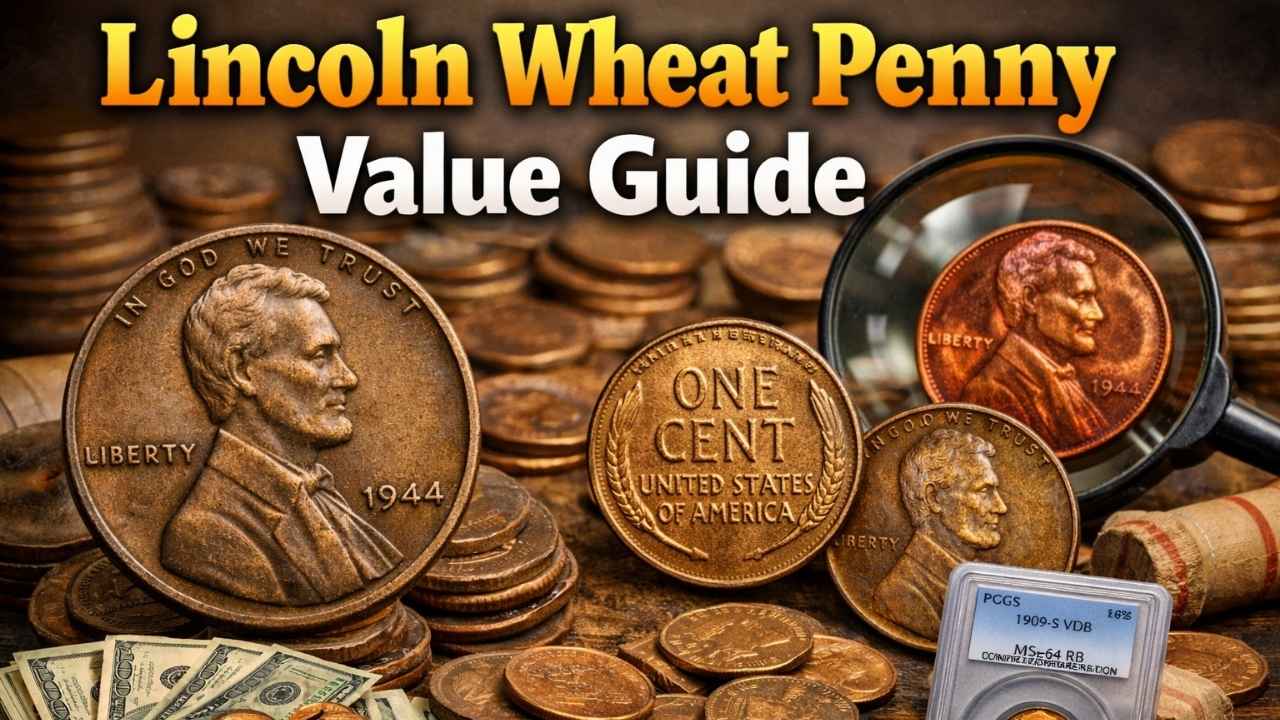
Lincoln Wheat Penny Value Guide 2026: The Lincoln Wheat Penny, minted from 1909 to 1958, remains one of the most iconic coins in American numismatics. With its classic design featuring Abraham Lincoln on the obverse and wheat stalks on the reverse, it has captured the imagination of collectors for more than a century. In 2026, the Wheat Penny continues to be a cornerstone of coin collecting, with rare dates, grading nuances, and high-value specimens drawing significant attention. This guide explores the value of Lincoln Wheat Pennies in 2026, focusing on rare dates, grading secrets, collector insights, and the top price ranges that define the market.
Historical Background
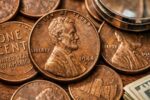
The Lincoln Wheat Penny was introduced in 1909 to commemorate the centennial of Abraham Lincoln’s birth. Designed by Victor David Brenner, it was the first U.S. coin to feature a president’s portrait. The reverse design, with two wheat stalks framing the denomination, symbolized prosperity and growth. Over its nearly fifty-year run, the Wheat Penny saw numerous mint marks, varieties, and production quirks, some of which have become legendary among collectors.
Rare Dates
Certain dates and mint marks stand out as particularly rare and valuable in the Wheat Penny series. These include:
- 1909 S VDB: The first-year issue from the San Francisco Mint with designer initials “VDB” prominently displayed. With a mintage of only 484,000, it is one of the most sought-after coins in the series.
- 1914 D: Struck at the Denver Mint with a low mintage, this coin is rare in high grades and commands strong premiums.
- 1922 No D: Due to a die error, some pennies were struck without the Denver mint mark, creating one of the most famous varieties in the series.
- 1931 S: With a mintage of just 866,000, this coin is scarce and valuable, especially in uncirculated condition.
- 1943 Copper: During World War II, pennies were struck in steel to conserve copper. A few copper planchets were mistakenly used, resulting in one of the most famous error coins in American history.
These rare dates continue to define the Wheat Penny market in 2026, with collectors competing for high-grade examples.
Grading Secrets
Grading plays a crucial role in determining the value of Wheat Pennies. Coins are graded on a scale from 1 to 70, with higher grades indicating better condition. Key grading secrets include:
- Strike Quality: Coins with sharp details, especially in Lincoln’s hair and the wheat stalks, are more desirable.
- Luster: Original mint luster adds significant value, particularly in uncirculated coins.
- Color: Copper coins are graded by color designations: Red (RD), Red-Brown (RB), and Brown (BN). Red coins are the most valuable, as they retain their original appearance.
- Eye Appeal: Coins with attractive toning or minimal blemishes often command premiums.
Professional grading services such as PCGS and NGC provide certification that assures authenticity and condition, which is essential for high-value coins.
Collector Insights
Collectors emphasize the importance of patience, research, and strategy when building Wheat Penny collections. Insights include:
- Focus on Key Dates: Building a collection around rare dates ensures long-term value.
- Condition Matters: High-grade coins appreciate more significantly over time.
- Certification Adds Value: Certified coins are easier to sell and often command higher prices.
- Varieties and Errors: Exploring doubled dies, repunched mint marks, and other anomalies adds depth and excitement to collections.
Collectors also note that provenance, or the history of a coin’s ownership, can enhance value, especially for coins with notable auction records.
High-Value Coins
In 2026, certain Wheat Pennies continue to achieve extraordinary prices at auction:
- 1909 S VDB in MS67 RD: Often sells for tens of thousands of dollars.
- 1914 D in MS66 RD: Can reach six figures due to rarity in high grade.
- 1922 No D Strong Reverse: Commands significant premiums, with top examples selling for over $100,000.
- 1943 Copper Penny: The most famous error coin, with sales exceeding one million dollars for pristine specimens.
These high-value coins represent the pinnacle of Wheat Penny collecting, combining rarity, condition, and historical significance.

Market Prices
Market prices for Wheat Pennies vary widely depending on date, mint mark, and grade. Common dates in circulated condition may be worth only a few cents, while rare dates in top grades can command thousands or even millions. Auction results in 2026 continue to show strong demand, with prices rising for certified high-grade coins and rare varieties.
Investment Potential
Wheat Pennies offer significant investment potential, particularly rare dates and high-grade examples. Their historical importance and scarcity ensure that demand remains strong. Investors often view these coins as tangible assets with the potential for long-term appreciation. However, values can fluctuate based on market trends, and focusing on quality and authenticity is essential to minimize risk.
Collecting Tips
For those interested in collecting Wheat Pennies, here are some practical suggestions:
- Start with affordable common dates to build a foundation.
- Focus on key dates and mint errors for long-term value.
- Consider professional grading for investment-grade coins.
- Preserve coins in protective holders to maintain condition.
- Stay informed about auction results and market trends.
Conclusion
The Lincoln Wheat Penny remains one of the most beloved coins in American numismatics. In 2026, rare dates, grading secrets, collector insights, and high-value coins continue to define its market. From the iconic 1909 S VDB to the legendary 1943 Copper Penny, these coins embody the thrill of discovery, the pride of ownership, and the enduring fascination with America’s coinage heritage. For collectors and investors alike, the Wheat Penny offers both sentimental and financial rewards, ensuring its place in collections for generations to come.