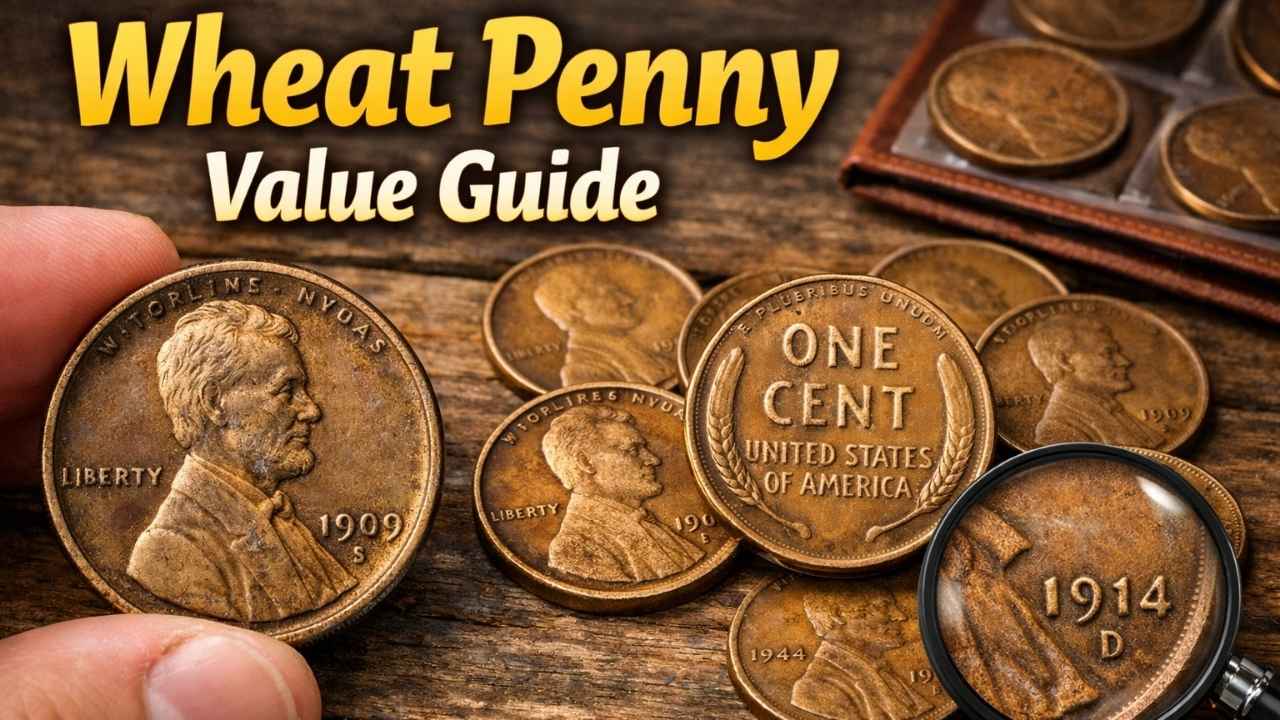
Wheat Penny Value Guide 2026: The Wheat Penny, officially known as the Lincoln Wheat Cent, was minted from 1909 until 1958. With its iconic reverse design featuring two wheat stalks, it remains one of the most collected coins in American numismatics. In 2026, collector demand continues to grow, and certain rare dates and mint marks are worth thousands of dollars, making the Wheat Penny both a historical artifact and a valuable investment.
Historical Background
The Wheat Penny was introduced to commemorate Abraham Lincoln’s 100th birthday in 1909. Designed by Victor David Brenner, it was the first U.S. coin to feature a real person. Over nearly five decades of production, the series witnessed major historical events including World War I, the Great Depression, and World War II. These coins circulated widely, but many rare varieties and minting errors have become prized treasures.

Why Wheat Pennies Are Valuable
- Low Mintage Years: Coins produced in small numbers are scarce and highly collectible.
- Mint Marks: Denver (D) and San Francisco (S) issues often had lower mintages than Philadelphia.
- Errors and Varieties: Doubled dies, repunched mint marks, and off-center strikes add rarity.
- Condition: High-grade examples certified by professional grading services can be worth thousands.
Rare Dates and Mint Marks Worth Thousands
1909-S VDB
The first year of issue with Brenner’s initials prominently displayed. Only 484,000 were minted, making it one of the most famous key dates.
1914-D
With a mintage of just over 1.1 million, this Denver issue is scarce in all grades and highly valuable in Mint State.
1922 No D
Due to worn dies, some Denver coins were struck without a mint mark. This variety is rare and commands high prices.
1931-S
Only 866,000 were minted, making it one of the lowest mintage Wheat Pennies.

1944 Steel
Most 1944 pennies were struck in copper, but a few steel planchets were mistakenly used. These rare coins can sell for tens of thousands.
1955 Doubled Die
One of the most famous error coins, showing dramatic doubling in the date and lettering. High-grade examples are worth thousands.
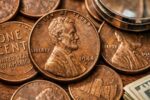
1926-S
With a low mintage and poor strike quality, this coin is rare in high grades.
1911-S
Scarce in uncirculated condition, this San Francisco issue is a favorite among collectors.

1924-D
Another low mintage Denver coin, difficult to find in pristine condition.
1943 Copper
During World War II, pennies were struck in steel to conserve copper. A few copper planchets were mistakenly used, creating one of the most valuable U.S. coins.
Wheat Penny Value Chart 2026
| Coin | Estimated Value (Circulated) | Estimated Value (Uncirculated) |
|---|---|---|
| 1909-S VDB | $700–$2,000 | $5,000–$15,000+ |
| 1914-D | $200–$1,500 | $10,000–$25,000+ |
| 1922 No D | $500–$2,500 | $15,000–$30,000+ |
| 1931-S | $75–$500 | $2,000–$5,000+ |
| 1944 Steel | $10,000–$25,000 | $50,000–$100,000+ |
| 1955 Doubled Die | $1,000–$5,000 | $25,000–$50,000+ |
| 1926-S | $50–$300 | $5,000–$10,000+ |
| 1911-S | $30–$200 | $2,000–$6,000+ |
| 1924-D | $75–$400 | $3,000–$8,000+ |
| 1943 Copper | $100,000+ | $250,000–$1,000,000+ |
Collector Insights
Collectors in 2026 continue to prize Wheat Pennies for their blend of affordability and rarity. Common dates are accessible for beginners, while advanced collectors pursue key dates and error coins. Online auctions and coin shows reveal strong demand, with certified coins achieving record prices. Preservation is critical, as coins stored in protective holders retain their value far better than those exposed to wear.
Rarity Factors
- Survival Rates: Many coins were heavily circulated, leaving few in pristine condition.
- Mint Errors: Unique mistakes increase desirability.
- Historical Context: Coins tied to wartime shortages or design changes are especially prized.
Market Trends in 2026
The coin market has seen steady growth, with Wheat Pennies leading the way among collectible U.S. cents. Auction records show rising prices for high-grade examples, particularly for the 1909-S VDB, 1914-D, and 1955 Doubled Die. Error coins like the 1943 Copper and 1944 Steel continue to capture headlines with six-figure sales.
Investment Potential
Wheat Pennies are attractive investments due to their historical significance and limited supply. Rare dates and error coins have consistently appreciated in value. Investors should focus on certified coins in high grades, which offer both security and long-term growth potential.
Historical Insights
The Wheat Penny reflects America’s respect for Abraham Lincoln and its evolving coinage traditions. Its design and production span significant historical events, including World War I, the Great Depression, and World War II. Each rare coin tells a story of history, craftsmanship, and chance.
Conclusion
The Wheat Penny remains a cornerstone of American numismatics. In 2026, rare dates, mint marks, and error coins continue to command thousands of dollars, with some specimens reaching six figures. For collectors, the series offers both affordable entry points and opportunities for significant investment. Ultimately, the Wheat Penny is more than currency; it is a timeless artifact of American history and a symbol of enduring collector demand.